_digital doppelganger
Skills
Critical Design
Product Design
Physical Computation
3D Digital Fabrication
Tools
Node.js, Raspberry Pi, Bluetooth 4.0
Exhibited
2019 MFADT Thesis Showcase
Overview
Why do we place greater attention on our digital devices over our physical companions in immediate proximity?
A critical performance piece that serves as a commentary on our addiction to digital escapism: how that affects the emergence of narcissistic personality traits, and how complacent we are as passive recipients of mediated lackluster interactions.
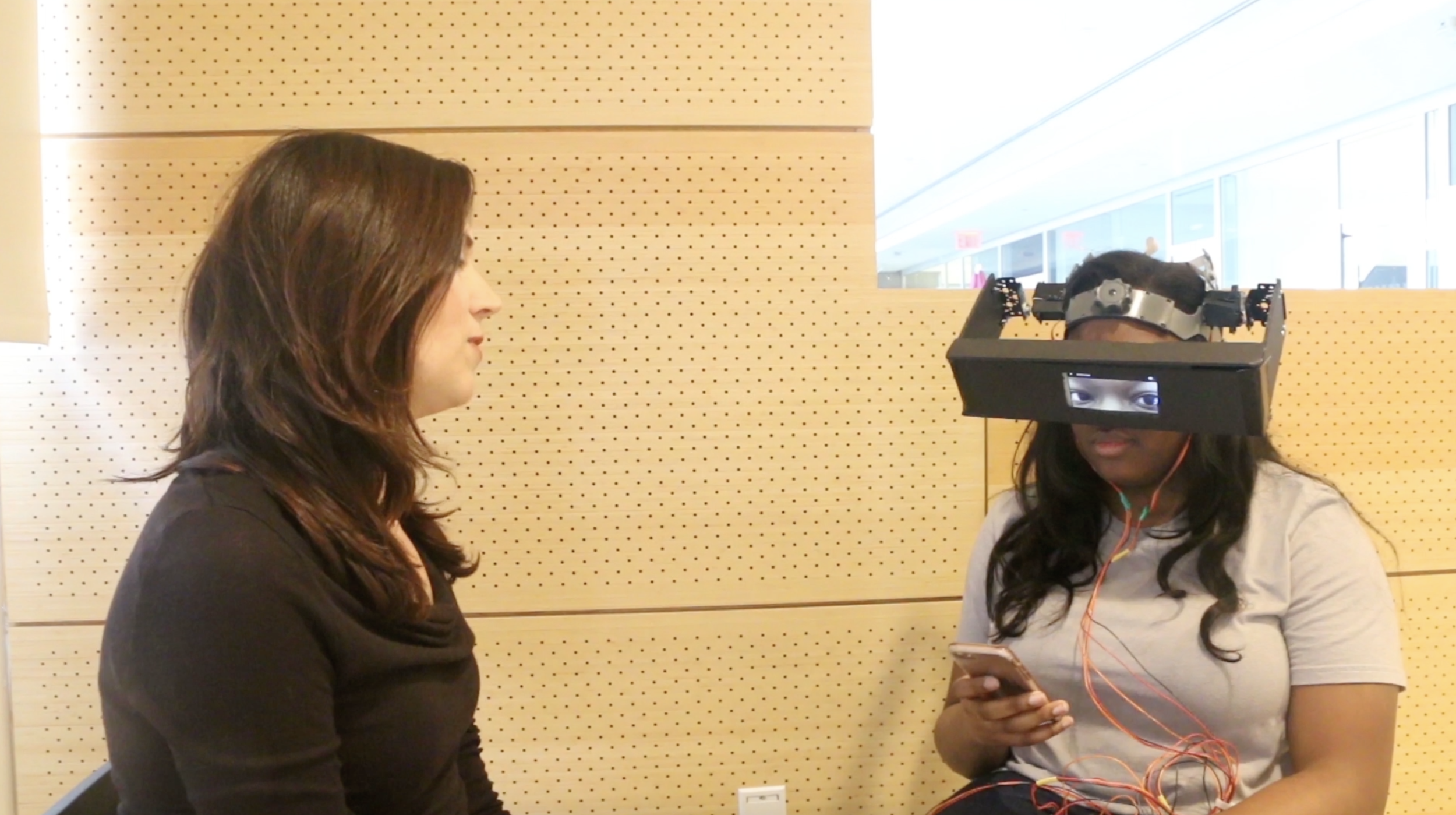
_digital doppelgänger creates a digital avatar of the user that one can elect to transfigure between if one’s digital interactions takes precedence. Inspired by Japanese object art, I used form, function, and humor to explore the themes of trans humanism and social paradigm shift induced by mobile technologies.
“The fight isn’t about the thing. It says a lot about the relationship with the person rather than the act of texting itself. It’s more alarming to be around someone who isn’t aware of their social transgressions than someone who knowingly and apologetically commits them.”
Research
For more insight on person to person interactions in this new age, I turned to well renown sociologist Dr. Sherry Turkle . In her book Alone Together, Turkle coins the term the “life mix” in reference to a person’s continual co-presence through the attempt to perform in-person and online interactions simultaneously. With the increased use of mobile devices, the lines of demarcations between physical and digital social interactions become increasingly blurred. Social contracts no longer have the physical cues or restraints of a computer room with a desktop computer and fax machine or a phone restricted to a landline. But how does this affect the quality of day to day interactions with one another?
Critical Narrative
The objective of this project is to highlight behavior rather than providing a solution.
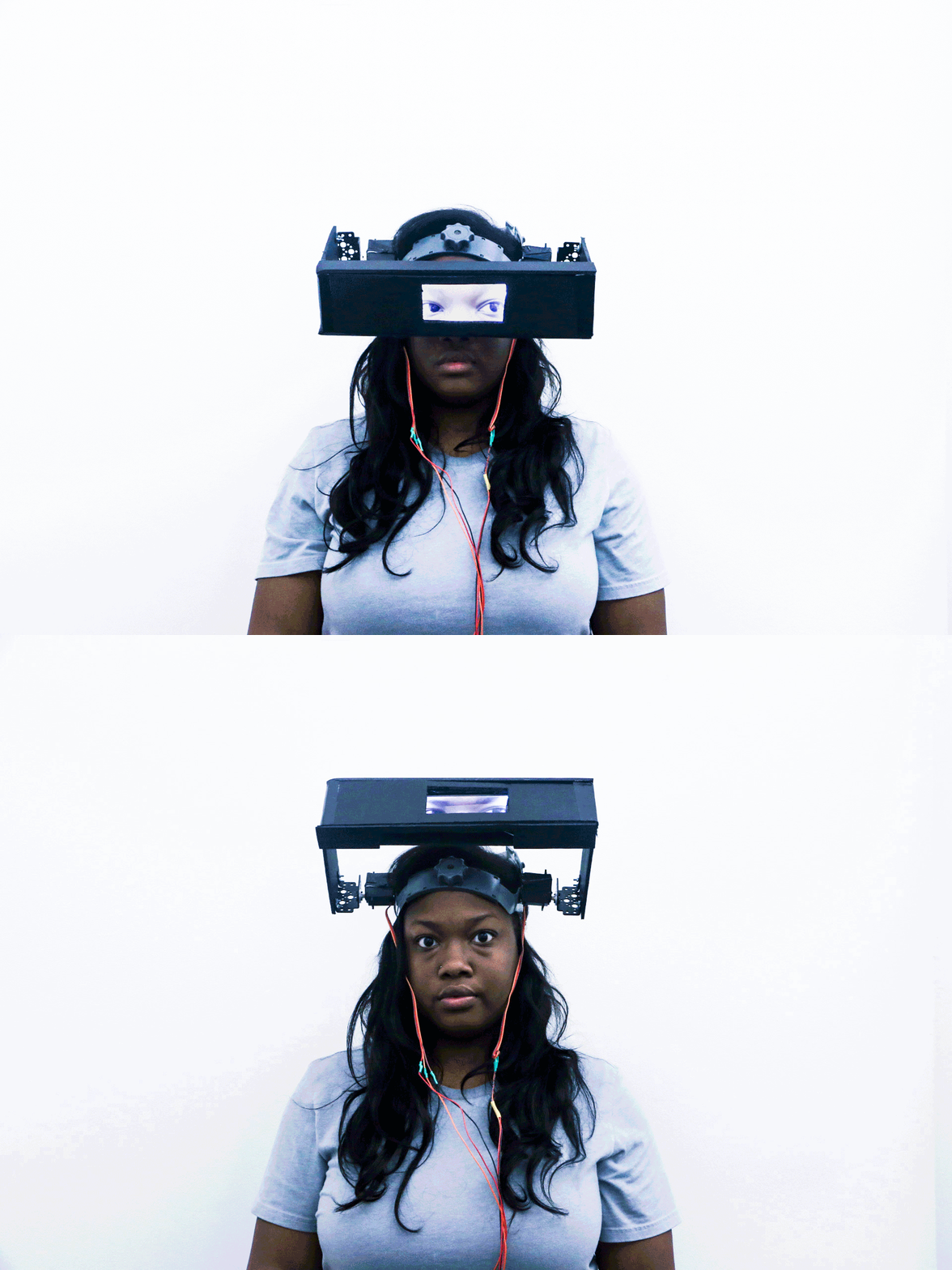
The form is aimed to push the obscene to play more with the increasing precedence that technology takes by leveraging it in the aesthetic solution for the wearable. To best mimic what users should demand from their counterparts, I placed a digital display of the recording of my eyes playing on a loop. I added mechanized movement to further mimic the human qualities within the device, enabling it to nod and further amplifying human gestures of multitasking. In future iterations, I’d like to add auditory input as well. This will include prerecorded “mhmm’s” and “yeahs” to add more validity to my critique.
Execution
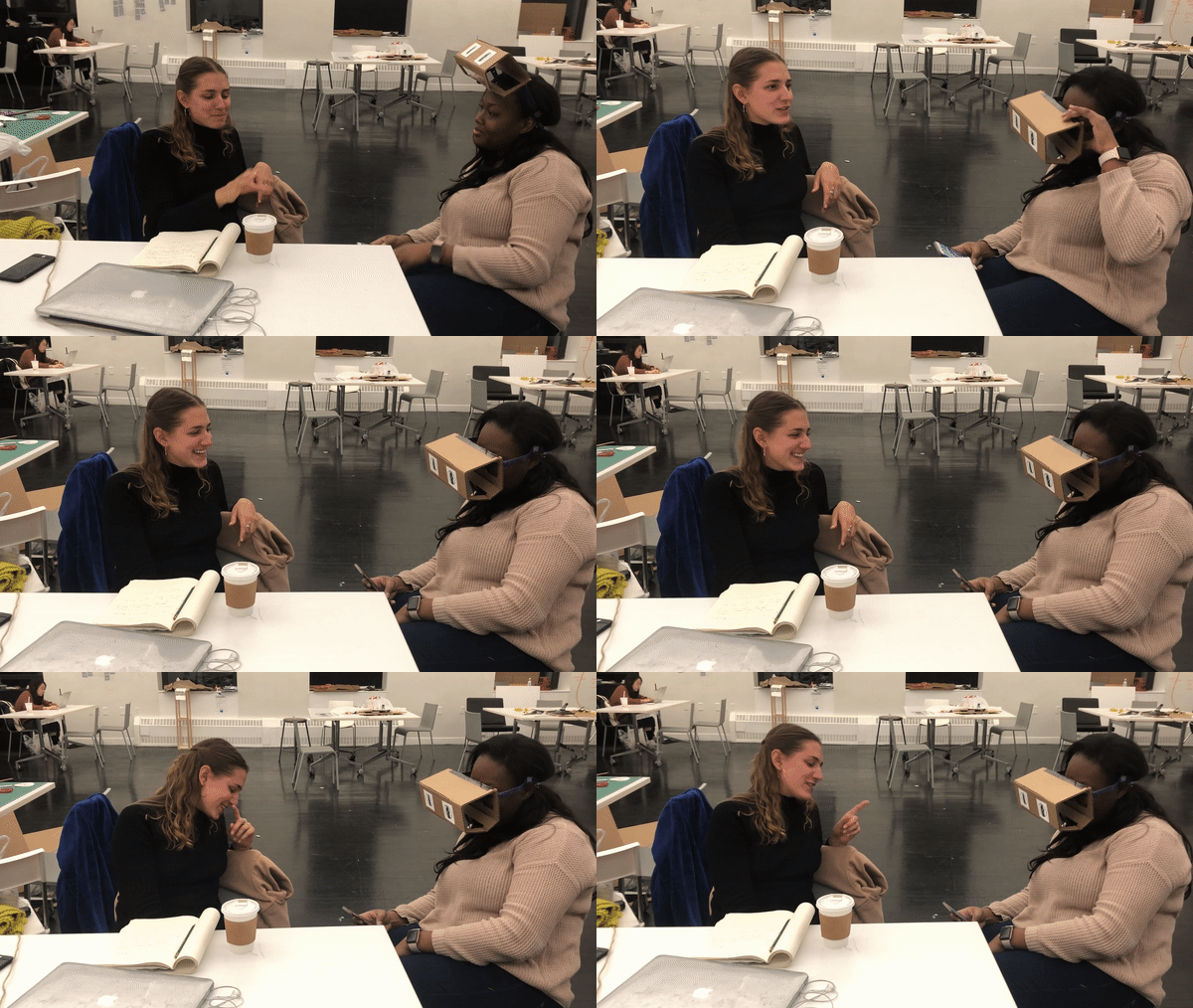
This proof of concept prototype comprised of low fidelity materials: black foam core, black duct tape (strategic design decision for a “sleek” DIY aesthetic) and the inner head support of a hard hat. In the second iteration, the materiality was later upgraded to 1/4 plywood and the inner rigging remained the same.
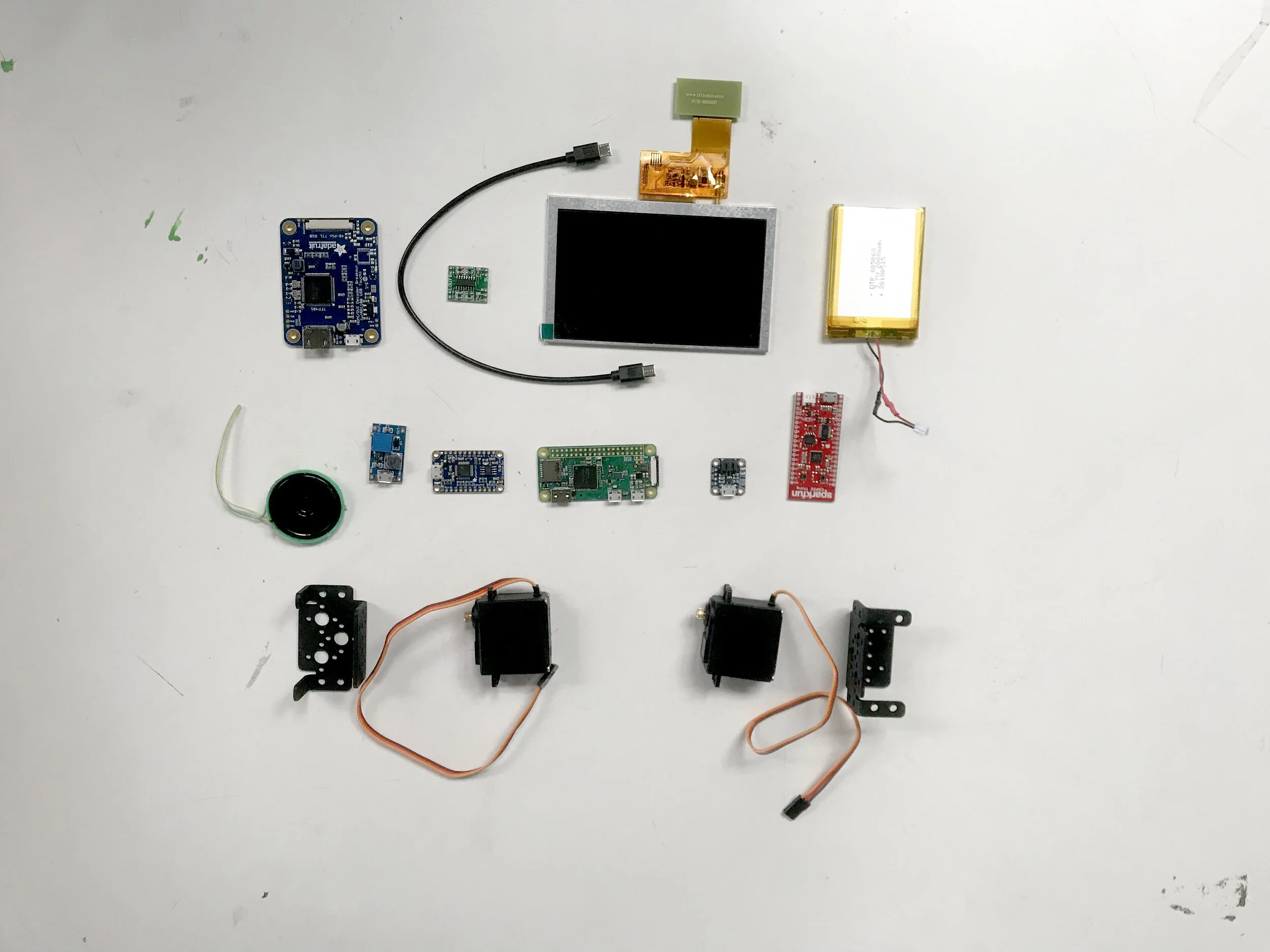
Tech components comprises of two servo motors controlled by an Arduino. The screen used was a cell phone playing a GIF of the eye recording.
Higher fidelity plans include 3D printing the housing structure and utilizing a TFT screen for display.
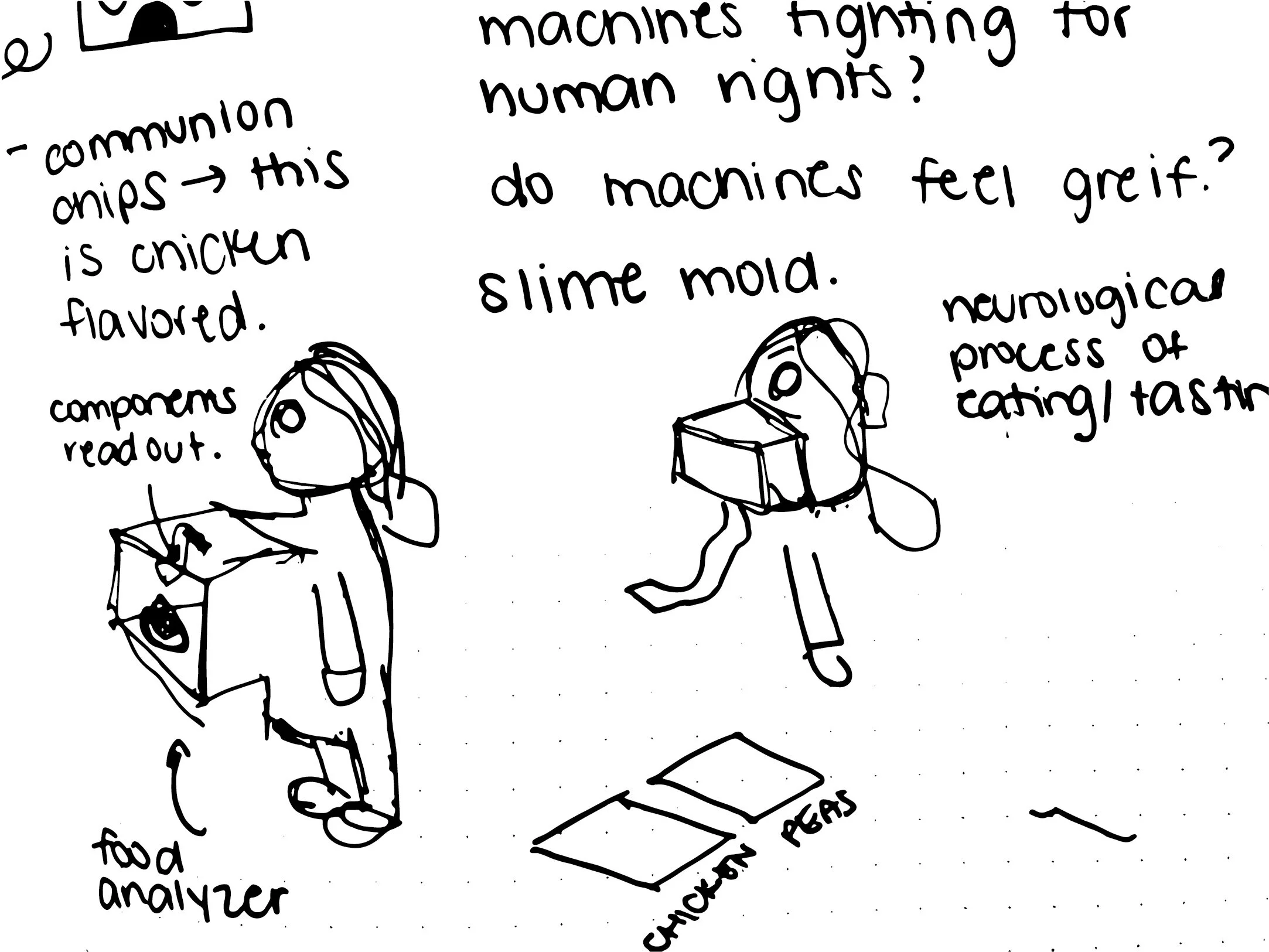
Prototyping Through Making
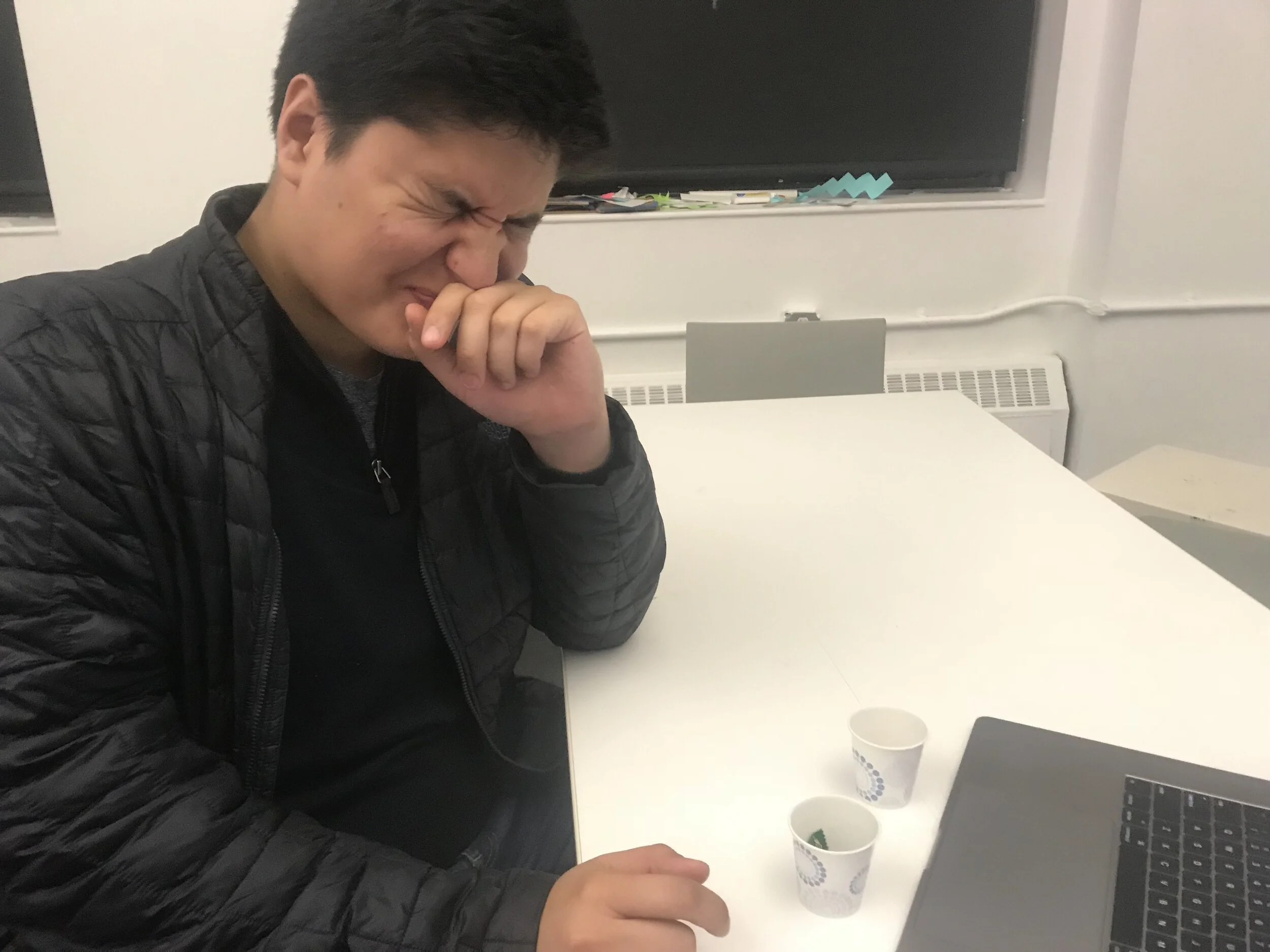

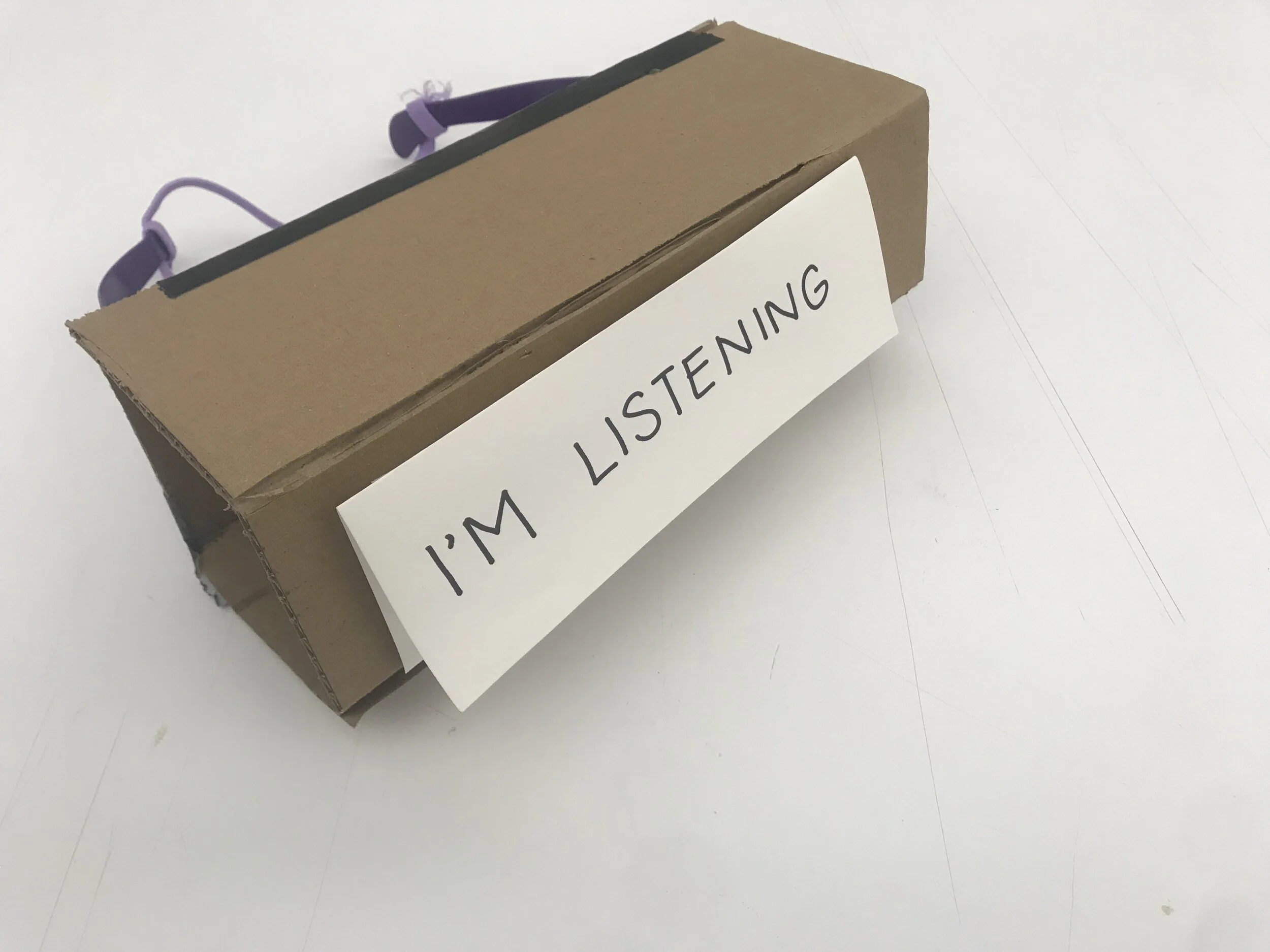
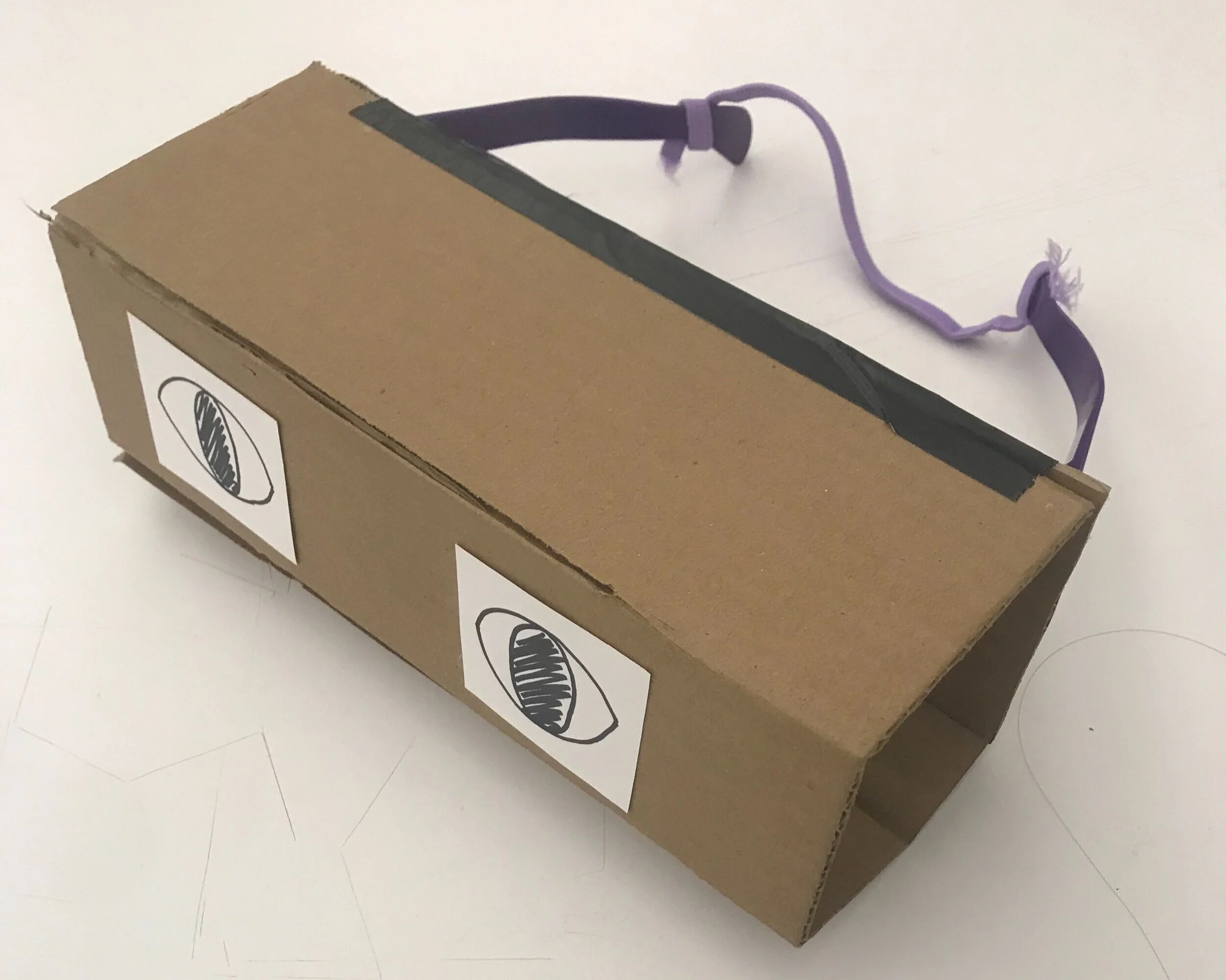
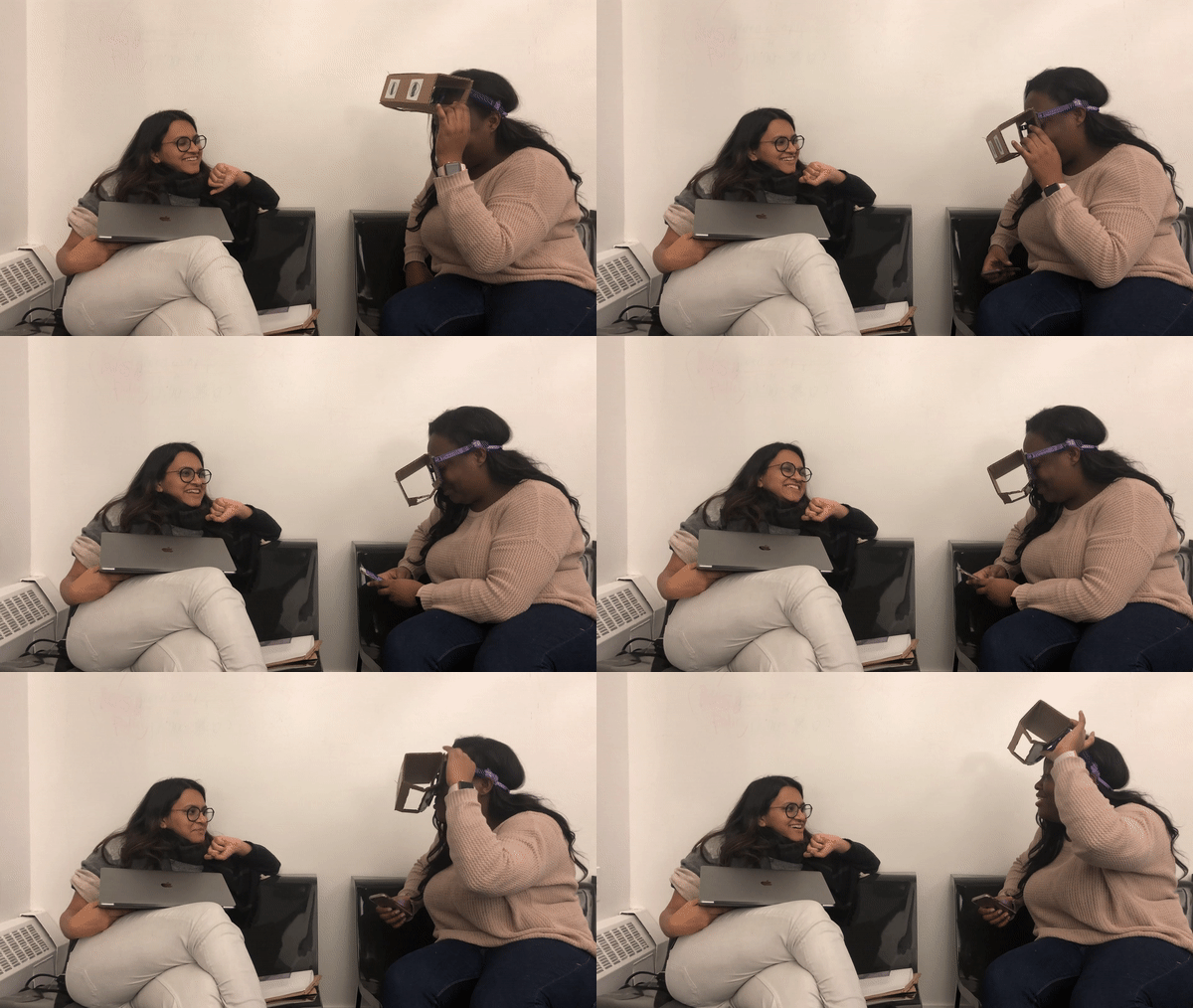
Exhibition
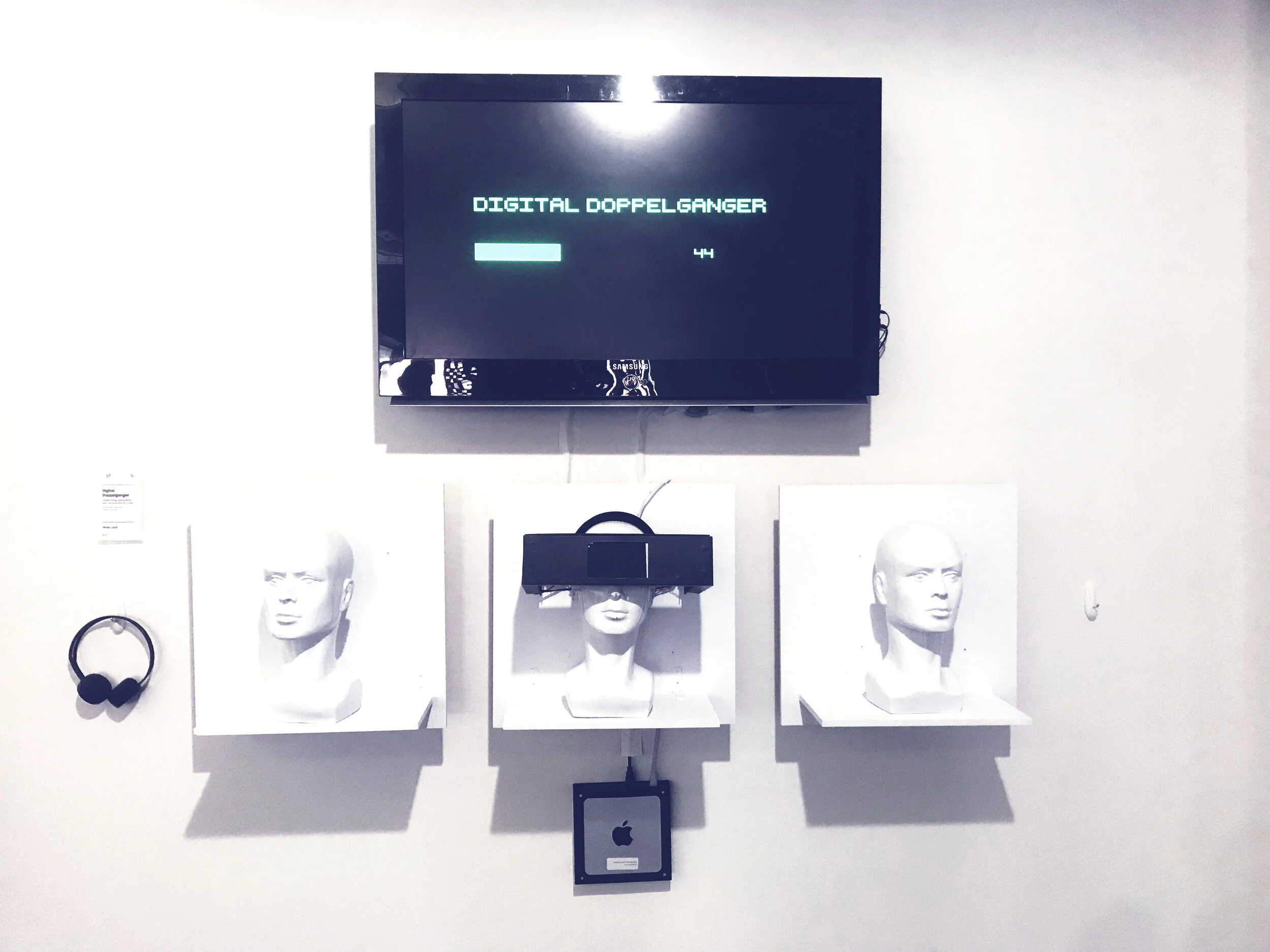
On Display
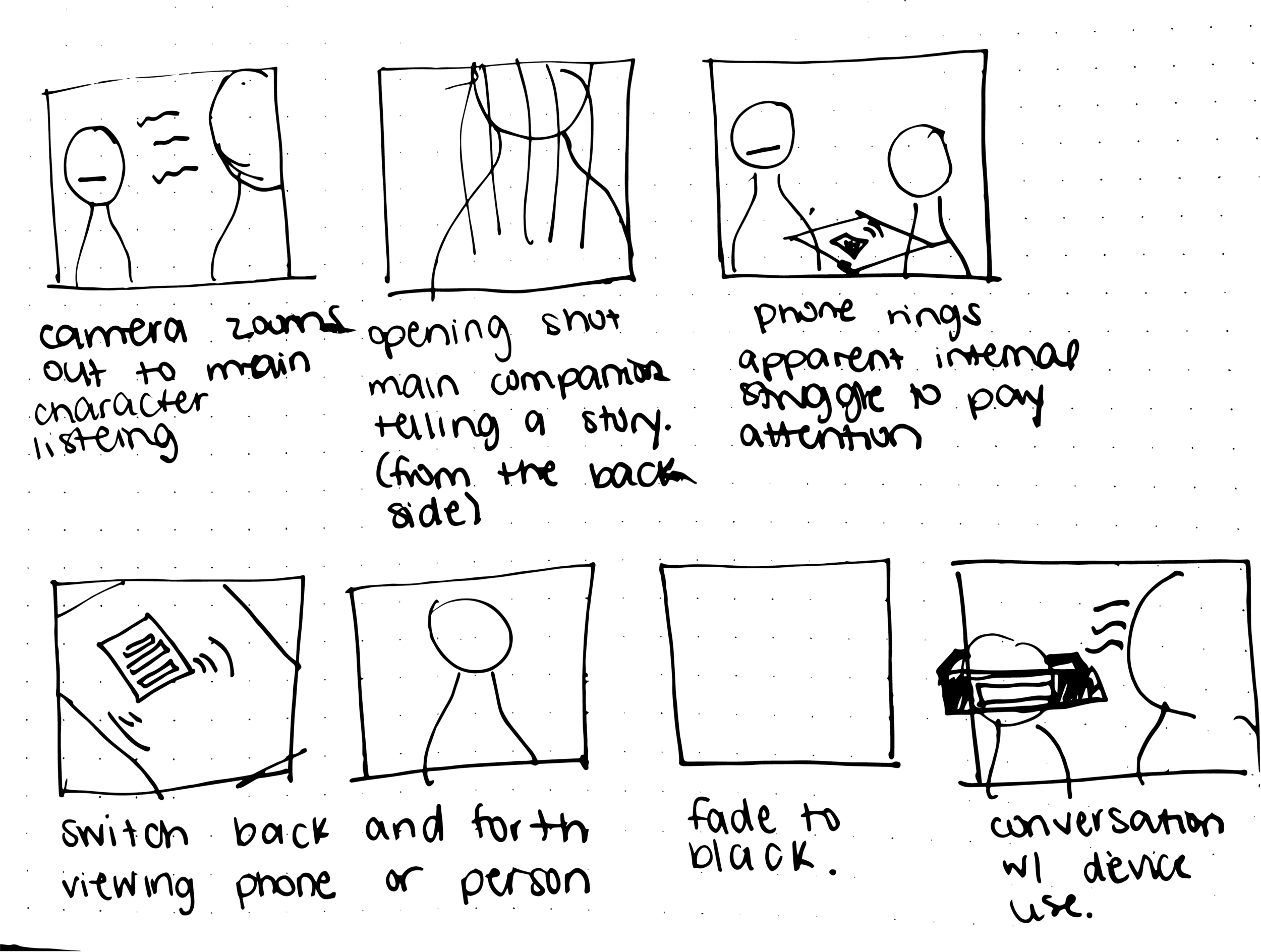
The exhibition featured the proof of concept videography work along with the mid-fidelity prototype of the wearable device.